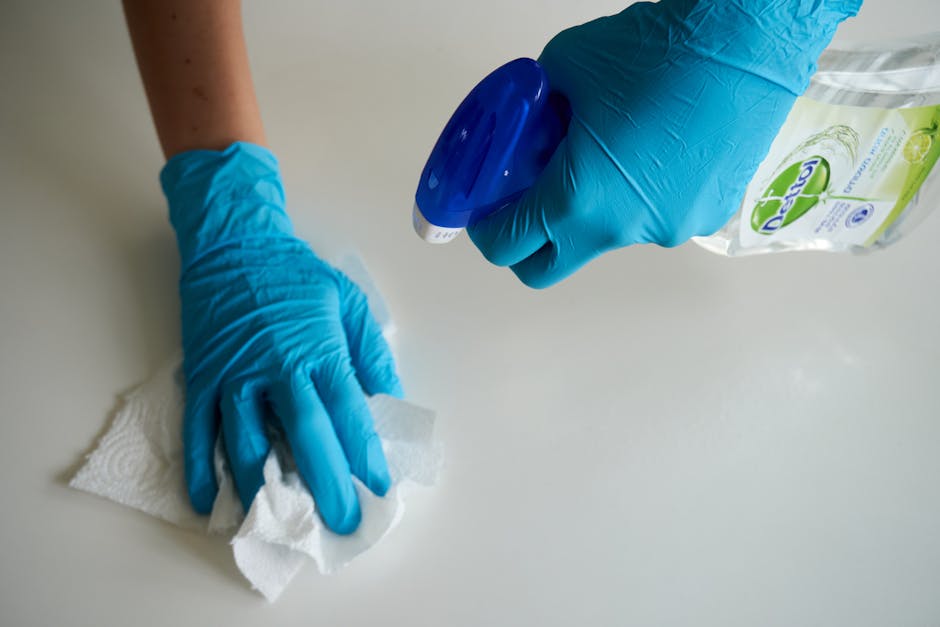
Cleaning chemical regulations in Merton - landlords' guide
If you let property in Merton, cleaning chemicals can feel like a small detail until they become a big headache. A strong-smelling product used in the wrong way, a missing safety data sheet, or a cleaner who leaves residue behind can quickly turn into a complaint, a risk assessment issue, or worse. This guide explains Cleaning chemical regulations in Merton - landlords' guide in plain English, with a focus on what landlords actually need to do day to day. The aim is simple: keep tenants safer, protect your property, and avoid messy compliance problems that are, frankly, avoidable.
We'll cover what the rules mean in practice, how responsibilities are usually split, what to check before a clean, and how to choose safer, more sensible cleaning methods for carpets, sofas, upholstery, and other soft furnishings. You'll also find a checklist, a comparison table, and a few real-world style scenarios that make the guidance easier to apply. Nothing overblown. Just useful, grounded advice.
Table of Contents
- Why Cleaning chemical regulations in Merton - landlords' guide Matters
- How Cleaning chemical regulations in Merton - landlords' guide Works
- Key Benefits and Practical Advantages
- Who This Is For and When It Makes Sense
- Step-by-Step Guidance
- Expert Tips for Better Results
- Common Mistakes to Avoid
- Tools, Resources and Recommendations
- Law, Compliance, Standards, or Best Practice
- Options, Methods, or Comparison Table
- Case Study or Real-World Example
- Practical Checklist
- Conclusion
- Frequently Asked Questions
Why Cleaning chemical regulations in Merton - landlords' guide Matters
Let's face it: landlords often focus on rent, repairs, and licensing-style issues first, then cleaning gets squeezed into the gap between a checkout and a new tenancy. But cleaning chemicals are not just a housekeeping detail. They can affect indoor air quality, surface damage, tenant wellbeing, and the consistency of your handover standards.
In a rental property, the wrong product can do more than leave a bad smell. It can etch a worktop, bleach a carpet patch, trigger an asthma flare-up, or leave a slippery residue on a floor. You may also run into issues if a contractor uses chemicals without proper labelling, safe storage, or dilution. That's where landlords need a practical, not panicked, approach.
In Merton, as in the rest of the UK, property owners are expected to manage hazards sensibly. You do not need to become a chemical specialist overnight. You do, however, need a clear process. That means knowing what products are being used, why they are being used, and whether they are suitable for the property, the surface, and the people living there.
There's also a reputation angle. A good clean should feel fresh, not harsh. Tenants notice when a room smells sharp and chemical-heavy for hours. They also notice when a professional clean leaves carpets brighter, the sofa looking revived, and the place ready for use without drama. That kind of finish builds trust. Quietly, but firmly.
How Cleaning chemical regulations in Merton - landlords' guide Works
The phrase sounds technical, but the practical reality is straightforward. Landlords should think in terms of product selection, safe handling, documented procedures, and tenant protection. In most cases, the relevant legal and safety duties come from general health and safety expectations, chemical handling rules, and sensible risk management rather than a single "Merton-only" cleaning chemical law.
Here's the basic flow.
- Identify the task. Are you cleaning a carpet, sanitising a bathroom, removing a stain, or dealing with odour after a pet incident?
- Match the product to the surface. Carpet, upholstery, wood, stone, laminate, and vinyl all behave differently. A one-size-fits-all product is often a bad idea.
- Check hazard information. Any professional product should come with clear use instructions and safety information.
- Control exposure. Ventilation, gloves, correct dilution, and sensible drying times matter more than people think.
- Verify the outcome. The surface should be clean, dry, residue-free, and safe to reoccupy.
For landlords who hire a contractor, the key question is not "Can you clean it?" but "How do you clean it safely?" That single question tells you a lot. If the answer is vague, keep digging.
Where a property includes carpets, rugs, upholstery or mattresses, a professional service can be a sensible route because specialist methods often reduce chemical load. For example, steam-based or low-residue cleaning can sometimes deliver a strong result with less detergent left behind. If you need deeper fabric care, pages like steam carpet cleaning, upholstery cleaning, and sofa cleaning may be useful to explore alongside your compliance checks.
Key Benefits and Practical Advantages
Sticking to proper chemical practice gives landlords a few very real advantages. Some are obvious, others show up only after a problem has been avoided. Which, to be fair, is the best kind of compliance.
- Lower tenant risk: Safer products and controlled application reduce the chance of irritation, slips, or accidental contact.
- Better property condition: Correct chemical choice helps protect carpets, fixtures, and furnishings from unnecessary wear.
- Fewer complaints: Tenants are less likely to report strong odours, sticky residues, or visible damage.
- Cleaner handovers: A standard process makes checkout cleans more predictable.
- Better contractor oversight: You can assess whether a cleaner is working professionally or just winging it a bit.
- Stronger record-keeping: If something goes wrong, it helps to know what was used, when, and by whom.
There's also a business benefit that landlords sometimes underestimate: consistency. If one cleaner leaves behind a heavy perfumed finish and another uses a low-residue method, your properties won't feel the same from tenant to tenant. Consistency matters. It sounds small, but it isn't.
For recurring rental maintenance, it can also make sense to pair chemical-aware cleaning with specific services such as stain removal, pet stain and odour removal, or mattress cleaning where needed, rather than defaulting to stronger chemical treatment across the whole room.
Who This Is For and When It Makes Sense
This guide is mainly for:
- private landlords with one or more rented homes in Merton
- portfolio landlords managing several tenancies
- agents and property managers handling checkouts
- landlords arranging end-of-tenancy or pre-let cleaning
- anyone responsible for contractors entering occupied or recently vacated properties
It makes especially good sense when a property includes carpets, rugs, sofas, curtains, or other soft furnishings. Those are the areas where chemical use can be less visible and, because of that, easier to get wrong. A hard floor can usually be inspected at a glance. A carpet? Not so much. It can look fine and still hold moisture, detergent, or a lingering odour that shows up later.
If you manage furnished lets, you'll feel this even more. The more fabric in the property, the more important it is to know how a cleaner handles chemistry, drying, and spot treatment. If that sounds familiar, the service pages for rug cleaning and curtain cleaning may be relevant alongside this compliance guide.
This is also useful if you've had a recent incident: a spill, a pet odour issue, a mould-risk conversation, or a checkout where the outgoing tenant left a patchy clean. Those moments are when landlords can be tempted to "just use something stronger". Usually, that is the wrong instinct.
Step-by-Step Guidance
Here's a practical landlord workflow you can use before, during, and after cleaning.
1. Identify the surface and the risk
Before anything is sprayed, identify what you're cleaning. A wool carpet, synthetic rug, latex-backed runner, fabric sofa, or mattress all need different handling. The risk may be staining, odour, residue, discoloration, or a tenant health concern such as sensitivity to fragrance.
2. Ask what chemical will be used
If you are hiring a contractor, ask for the name or type of product, the dilution approach, and whether the cleaner uses low-residue methods. You do not need a chemistry lesson. Just a clear answer. If they can't explain it simply, that's a small red flag.
3. Check safe use instructions
Products should be used exactly as intended. Over-diluting can leave poor results, while under-diluting can leave residues or increase risk. Good professionals know the balance. Home-brew improvisation usually goes sideways eventually.
4. Make sure the property is ventilated
Open windows where possible. Use airflow sensibly. Strong chemical smells that hang around for hours are a sign something may not be ideal, even if the room looks clean at first glance.
5. Protect occupants and visitors
If tenants are still in place, warn them in advance. Keep pets, children, and vulnerable occupants away from treated areas until it is dry and safe. It sounds obvious, but this is one of the most common common-sense points that gets forgotten in a rush.
6. Confirm drying and residue removal
Cleaning is not complete when the fabric is damp and "looks okay". It is complete when the surface is dry enough, clean enough, and safe enough for normal use. Sticky carpets and over-wet upholstery are avoidable problems.
7. Keep a simple record
Note the date, the area cleaned, who carried it out, and any issue discovered. A simple digital note is enough in many cases. You are not filing a dissertation.
Expert Tips for Better Results
Here are a few practical habits that make a genuine difference.
- Choose low-residue cleaning where possible. It often helps carpets and upholstery dry cleaner and feel fresher.
- Prefer targeted treatment over blanket treatment. Treat the stain, not the whole property, unless the whole property needs it.
- Match the method to the tenancy stage. Checkout cleans often need a different approach from routine mid-tenancy maintenance.
- Test a discreet area first. Especially on older fabrics, patched repairs, or natural fibres.
- Ask about scent. A heavy fragrance can mask odour without solving it. That's a classic trick, and tenants notice.
- Build in time for drying. Rushing reoccupation is one of the fastest ways to undo a decent clean.
Expert summary: Good landlord cleaning is not about using the strongest chemical on the shelf. It is about using the lightest effective method, documenting what happened, and making sure the property is genuinely ready for the next person.
If you're dealing with ongoing fabric wear or recurring marks, it can also help to line up the right service at the right time. For example, a stain that keeps returning may need carpet cleaning or targeted stain removal rather than a stronger deodoriser. Simple, but easy to miss.
Common Mistakes to Avoid
A lot of problems come from a few repeat behaviours. The good news? They're avoidable.
- Using bleach where it doesn't belong. Great on some hard surfaces, disastrous on many fabrics and finishes.
- Mixing products. This can create fumes or unsafe reactions. Never casually combine chemicals "to make it stronger".
- Ignoring ventilation. A closed-up room may smell cleaner at first, then turn stale and unpleasant.
- Assuming one product fits all surfaces. It doesn't. Not even close.
- Skipping PPE. Gloves and sensible handling are basic, not optional extras.
- Cleaning too aggressively. Scrubbing can spread the stain, damage fibres, or drive chemicals deeper into the material.
- Forgetting the tenant experience. A room that looks fine but smells harsh is still a bad handover.
One landlord anecdote worth remembering: a "fresh" checkout flat can still be the one tenants complain about if the carpet is damp, the hallway smells of solvent, and the sofas feel slightly tacky to the touch. It happens. More often than people admit.
Tools, Resources and Recommendations
You do not need a van full of specialist gear to manage cleaning chemical safety well. But a few basics help a lot.
- Product labels and instructions: Keep them on file or accessible when contractors are working.
- Simple inspection notes: Useful for recording pre-existing marks, stains, or damage.
- Ventilation plan: A quick note on which windows can be opened and which rooms need extra drying time.
- Protective gloves and basic PPE: Especially for spot treatments and bathroom products.
- Contractor questions checklist: A few standard questions make vetting much easier.
If you want to understand the wider service approach, the company's health and safety policy is a useful trust signal, and the page on insurance and safety can help you judge whether a contractor takes risk seriously. That doesn't solve everything, of course, but it gives you a clearer starting point.
You may also want to look at how a provider handles practical service planning and pricing. A transparent pricing and quotes page can be a helpful indicator that the business is used to straightforward, accountable work rather than vague "call for a mystery price" behaviour. Nobody enjoys that.
For broader property-care decisions, sustainable cleaning choices can matter too. If a contractor can explain recycling, waste handling, and product selection sensibly, the page on recycling and sustainability is worth a look.
Law, Compliance, Standards, or Best Practice
This is the bit landlords usually want in plain English. In the UK, chemical safety at work and in managed properties is typically handled through general duty of care, risk assessment thinking, and safe use of substances. That means landlords should ensure any cleaning carried out in a rental property is sensible, controlled, and appropriate for the people and surfaces involved.
Two practical principles matter most:
- Know what is being used. The product should be identifiable and used according to instructions.
- Control the risk. Exposure, storage, ventilation, and re-entry timing should all be managed with care.
For occupied homes, landlords also need to think about tenant wellbeing. If someone has allergies, respiratory conditions, or chemical sensitivities, the bar for strong-smelling products should be higher. In those cases, low-odour or low-residue methods are often more appropriate. Not always, but often.
If a contractor is entering a property, it is reasonable to expect a professional standard of conduct, clear communication, and a process for dealing with complaints. The company's complaints procedure and terms and conditions can also tell you a lot about how seriously customer care is taken.
And one more small thing that matters more than people think: data and privacy. If you're sharing tenant access details or property information, check how that is handled. The pages on privacy policy and payment and security are useful indicators of how the business thinks about responsibility beyond the clean itself.
Options, Methods, or Comparison Table
Landlords usually end up choosing between three broad approaches: stronger chemical cleaning, balanced professional cleaning, or lower-residue specialist methods. Each has its place.
| Method | Best for | Pros | Watch-outs |
|---|---|---|---|
| Heavy chemical treatment | Very stubborn soil or urgent problem spots | Can tackle tough marks quickly | Higher residue risk, stronger odour, more chance of surface damage if mishandled |
| Balanced professional cleaning | Most end-of-tenancy and routine refresh work | Good results with controlled product use | Depends on the operator's skill and the condition of the item |
| Low-residue or steam-led cleaning | Carpets, upholstery, and homes where odour control matters | Less chemical build-up, often a fresher finish | May not suit every stain or every material |
For most rental homes, balanced professional cleaning is the sensible default. Heavy chemical treatment should be the exception, not the routine. Steam-led methods can be especially useful when you want a cleaner finish without the room smelling like a janitor's cupboard for half the afternoon.
Case Study or Real-World Example
Here's a realistic scenario. A landlord in Merton is preparing a two-bedroom flat for new tenants. The previous occupier had a dog, there's a faint smell in the lounge, and the hallway carpet has a dark patch near the front door. The first instinct might be to pour on a strong deodoriser and scrub the area hard. That would be tempting. And usually not smart.
Instead, a more careful approach would look like this:
- identify the problem areas first
- treat the carpet patch separately from the rest of the room
- use a targeted odour and stain approach rather than a blanket chemical treatment
- allow proper drying and ventilation before reoccupation
- inspect the result under daylight, not just hallway lighting at 8 p.m.
The difference is subtle but important. The room does not just look better. It feels better. Less chemical, less sticky, less rushed. That's the kind of result that gives a letting property a calmer handover and reduces the chance of the next tenant raising concerns on move-in day.
If the furniture also needs attention, services such as sofa cleaning or upholstery cleaning can be part of the same sensible plan, rather than doing each item in isolation with different products and different standards.
Practical Checklist
Use this quick landlord checklist before any chemical-based clean in a rented property.
- Have I identified the exact surface or item being cleaned?
- Do I know which product or method will be used?
- Have I checked whether the method suits carpets, upholstery, rugs, or mattresses?
- Have I asked about dilution, drying time, and odour level?
- Is the area ventilated properly?
- Have occupants, pets, or vulnerable people been kept away from treated areas?
- Is there a plan for stain-specific or pet-specific treatment if needed?
- Have I kept a note of what was done and when?
- Does the cleaner appear professional, insured, and safety-aware?
- Will the property be fully dry and ready before reoccupation?
If you can tick most of those boxes, you're already ahead of the curve. Not glamorous, maybe, but very effective.
Get a free quote today and see how much you can save.
Conclusion
Cleaning chemical regulations in Merton - landlords' guide is really about one thing: making sensible decisions before a small cleaning job becomes a bigger problem. If you know what's being used, why it's being used, and how it affects the property and the people in it, you are already managing the risk far better than most.
For landlords, the best outcome is usually the quiet one. No harsh smell. No damaged carpet edge. No surprise complaint from a new tenant. Just a clean, safe, comfortable property that feels ready to live in. Simple, but not always easy. That's why a clear process matters.
And if you are preparing a property now, take a breath, check the basics, and choose the cleaner approach that still gets the job done properly. That combination tends to hold up best in the real world.
Frequently Asked Questions
Do landlords in Merton need special cleaning chemical approvals?
Usually, landlords do not need a special local approval just for cleaning chemicals. What matters is using products safely, following instructions, and making sure the property remains suitable for tenants. The practical standard is careful risk management rather than chasing a special permit.
What is the safest cleaning option for rented carpets?
For many rental carpets, a low-residue professional method is the safest and most practical option. It can reduce lingering smell, sticky residue, and over-wetting. The right choice still depends on the carpet fibre, age, and stain type.
Can I use bleach in a rental property?
Sometimes bleach is appropriate on certain hard surfaces, but it is often unsuitable for fabrics, coloured materials, and many finishes. In rental homes, it is usually better to use a product designed for the specific surface rather than a harsh all-purpose approach.
Do tenants need to be told before chemical cleaning takes place?
Yes, if the property is occupied or the clean will affect re-entry timing, tenants should be told in advance. That is especially important if there are pets, children, allergies, or sensitivity to smells. Good communication avoids a lot of hassle.
What should I ask a cleaner before hiring them?
Ask what products they use, how they dilute them, whether they use low-residue methods, how long drying takes, and whether they are insured. If they can answer clearly and calmly, that's a good sign. If not, keep looking.
How can I reduce chemical smells after cleaning?
Choose lower-odour products, improve ventilation, and allow enough drying time before reoccupation. In some cases, steam-led or targeted stain treatment can reduce the need for heavy fragranced chemicals. A room should smell clean, not aggressively perfumed.
Are cleaning chemical rules different for carpets and upholstery?
Yes in practice, even if the broad safety expectations are similar. Carpets, sofas, curtains, and mattresses absorb products differently and can be damaged by unsuitable chemicals. Upholstery in particular often needs gentler treatment and careful drying.
What records should a landlord keep?
Keep a simple note of the cleaning date, the areas treated, any problem identified, and who completed the work. If you had specific concerns about odour, stains, or tenant sensitivity, note those too. Basic records can be very useful if questions arise later.
Is steam cleaning better than chemical cleaning?
Not always better, but often cleaner in the sense that it can reduce reliance on detergent. Steam cleaning can be a strong option for carpets and some soft furnishings, though certain stains or materials may still need targeted product use. It's about choosing the right method, not the flashiest one.
What if a tenant complains about chemical smell after a clean?
Take it seriously and act quickly. Check ventilation, confirm what products were used, and see whether the area needs additional airing or re-cleaning with a lower-residue method. Even if the room looks fine, the tenant experience still matters.
How do I know if a cleaning company is safety-conscious?
Look for clear safety information, insurance details, transparent terms, and a professional complaints process. Pages such as the health and safety policy and insurance and safety are useful indicators of how seriously a company handles risk.
What is the biggest mistake landlords make with cleaning chemicals?
The biggest mistake is assuming stronger equals better. In reality, the right product, applied properly, usually outperforms a harsh product used badly. That goes double for carpets, upholstery, and mattresses. More force rarely means more quality.
Where can I learn more about services for specific items?
If you are dealing with a particular surface or issue, the most useful next step is to check relevant service pages such as carpet cleaning, rug cleaning, mattress cleaning, or stain removal and match the method to the problem rather than guessing.
Should I choose perfume-heavy cleaning products for a better finish?
Usually not. A strong perfume can hide odour briefly, but it does not solve the underlying issue and may bother sensitive tenants. A cleaner finish is usually better than a louder smell. Quietly better, really.