Stain Removal in Home and Fabric Care: Practical Methods That Work
Stain removal is one of those everyday challenges that can feel frustrating when a spill happens at the worst possible moment. Whether it is coffee on a shirt, wine on a tablecloth, grease on upholstery, or mud on a favorite pair of jeans, effective stain removal depends on fast action, the right method, and a little patience. The good news is that most stains can be treated successfully when you understand what caused them and how different materials respond.
In modern cleaning routines, stain removal is not just about making fabric look clean again. It is also about protecting the lifespan of clothing, carpets, curtains, and household textiles. Using the wrong chemical, rubbing too aggressively, or applying heat too early can set a stain permanently. That is why smart stain removal techniques matter for both households and businesses. Knowing the proper approach can save time, money, and materials.
This article explores stain removal methods for common household stains, explains the science behind stain treatment, and shares practical tips for clothes, upholstery, and delicate fabrics. If you want better results from your cleaning routine, these stain removal strategies will help you act with confidence and avoid common mistakes.
Understanding How Stains Work
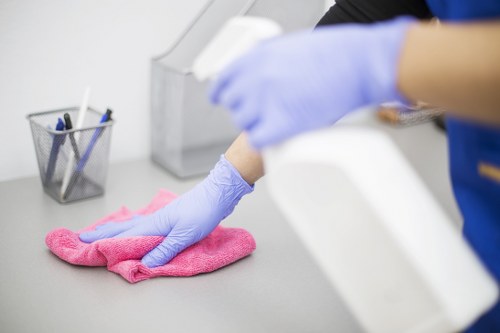
Before starting stain removal, it helps to understand what a stain actually is. A stain is a substance that binds to a surface in a way that changes its appearance. Some stains sit on top of fabric fibers, while others soak deep into the material or react chemically with dyes and fibers. The deeper a stain penetrates, the more difficult stain removal becomes.
There are several broad categories of stains, and each one needs a different treatment method. Protein-based stains such as blood, egg, and sweat respond differently from oily stains like butter, makeup, or salad dressing. Tannin stains from coffee, tea, and wine often need acidic or enzymatic treatment, while dye-based stains from ink, sauces, or colored drinks may require careful spot treatment to avoid spreading.
The key to successful stain removal is matching the method to the stain type and the fabric type. That simple rule makes a huge difference in outcome.
Why Quick Action Matters
The sooner you start stain removal, the better your chances of success. Fresh stains are usually easier to lift because they have not had time to bond with fibers. A delayed response can allow the stain to oxidize, dry, or set permanently, especially if heat is applied through washing, ironing, or hot water.
- Blot spills immediately with a clean cloth or paper towel.
- Avoid rubbing, which can push the stain deeper.
- Test any treatment on a hidden area first.
- Follow fabric care labels before using strong cleaners.
Essential Stain Removal Rules for Better Results
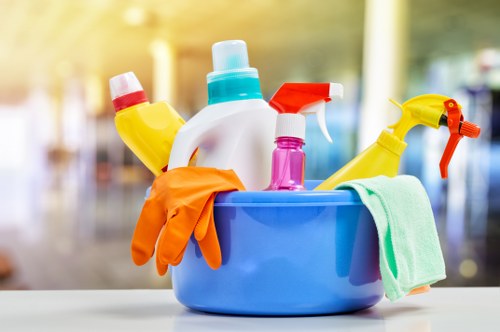
Good stain removal starts with a few basic rules that apply to almost every situation. These rules protect fabrics, reduce the chance of spreading the stain, and improve the overall outcome. Think of them as the foundation of effective cleaning.
Rule one: blot, do not rub. Rubbing may seem helpful, but it often spreads the stain and damages fibers. Blotting lifts excess material without forcing it deeper. Use a white cloth or paper towel so no color transfers onto the stained area.
Rule two: work from the outside inward. This helps prevent the stain from spreading outward. Whether you are doing stain removal on clothing or upholstery, this technique keeps the affected area contained.
Temperature and Fabric Matter
Water temperature can make or break stain removal. Cold water is usually best for blood, dairy, egg, and other protein stains because hot water can cook the proteins into the fabric. Warm water may help with oily stains, while very hot water can be useful for durable, washable items once the stain has already been loosened.
Fabric type is equally important. Cotton, polyester, wool, silk, and microfiber all react differently to stain removal products. Delicate materials often need gentler treatments, while sturdy fabrics can handle stronger solutions. Always check labels and, when possible, spot-test the cleaner first.
Stain Removal for Common Household Stains
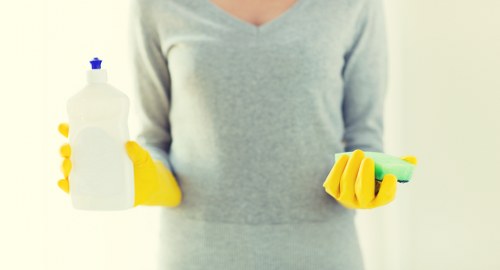
Different stains require different stain removal methods. Below are some of the most common stains found in homes, along with practical ways to treat them effectively. Acting quickly and using the right product can make the process much easier.
Coffee and Tea Stains
Coffee and tea are classic tannin stains. For fresh spills, blot the area immediately and rinse with cold water. A mild liquid detergent can help break down the residue. For tougher stains, a mix of water and white vinegar may support stain removal without harming many washable fabrics.
- Blot excess liquid first.
- Rinse from the back of the fabric when possible.
- Apply detergent and let it sit briefly.
- Wash in the warmest water safe for the fabric.
Wine Stains
Wine stain removal can be tricky because wine contains pigments and tannins. For red wine, blot quickly, cover the stain with salt if needed to absorb moisture, and then treat with cold water and detergent. Avoid heat until the stain is gone. White wine stains are less visible but can still leave residue on fabrics and upholstery.
Grease and Oil Stains
Grease stain removal works best with absorbent powders and grease-cutting detergents. Sprinkle baking soda or cornstarch on the stain first to absorb excess oil, then brush it away and apply dish soap or a stain remover. These stains often require a pre-treatment before washing.
Helpful Tip for Oily Stains
Dish soap is especially useful for stain removal of grease-based marks because it is designed to break down oils and fats.
Stain Removal on Clothing
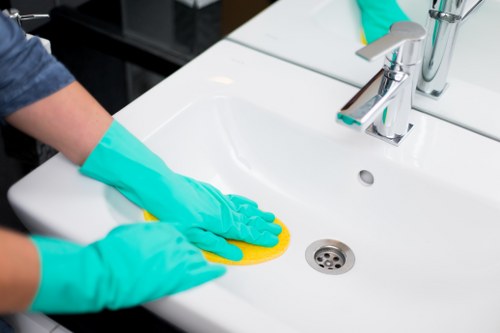
Clothing is one of the most common places where stain removal is needed. Shirts, trousers, jackets, and sportswear all collect stains from food, sweat, makeup, grass, and daily wear. Because clothing comes into close contact with skin and movement, stains often settle into seams and textured fabrics.
When treating clothing, the first step is to identify the fabric. Cotton and synthetic blends usually tolerate standard stain removal methods, while wool, silk, linen, and rayon may require delicate care. If the garment is labeled dry clean only, avoid aggressive home treatment unless the stain is minor and the fabric care instructions allow spot cleaning.
Steps for Effective Clothing Stain Removal
- Remove excess material gently with a spoon or cloth.
- Rinse with cold water if the stain type allows it.
- Apply a pre-treatment solution or detergent.
- Let the product sit for the recommended time.
- Wash the garment according to the care label.
- Inspect before drying, because heat can set stains permanently.
One of the biggest mistakes in stain removal is placing a stained garment in the dryer before confirming that the mark is gone. Once heat sets the stain, removal becomes significantly harder.
Dealing with Sweat and Deodorant Marks
Sweat stains and deodorant buildup often appear on underarms and collars. These marks may look simple, but they can discolor fabrics over time. For stain removal, try a paste made from baking soda and water, or use an oxygen-based cleaner on washable garments. Allow the treatment to sit briefly before washing.
Stain Removal from Carpets and Upholstery
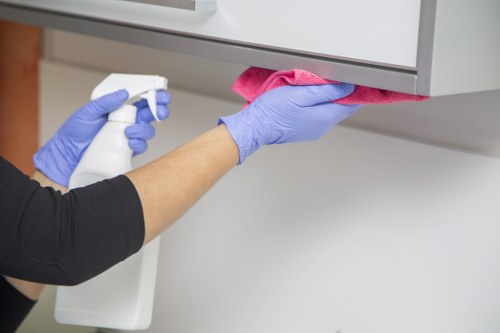
Carpet and upholstery stain removal requires extra care because these surfaces are not washed in the same way as clothing. They often absorb spills quickly, and aggressive scrubbing can damage fibers or spread the stain deeper into the padding. A gentle, methodical approach works best.
Start by blotting up as much of the spill as possible. Then use a cleaner that is safe for the fabric or carpet type. Always avoid soaking the area, because too much moisture may lead to water marks, odor, or mold growth. In stain removal for soft furnishings, less is often more.
Best Practices for Upholstery
- Use a white cloth to blot liquid spills.
- Apply cleaning solution sparingly.
- Blot again with clean water to remove residue.
- Dry the area with airflow rather than heat if possible.
Carpet Stain Removal Tips
For carpet stain removal, work from the outside of the spill inward and avoid over-wetting the fibers. A carpet-safe cleaning solution, gentle dish soap diluted with water, or a specialized stain remover may work depending on the spill. For sticky substances like candy or syrup, gently lift what you can before applying cleaner. For pet-related stains, use enzymatic solutions designed to neutralize odor and organic residue.
Fast stain removal on carpets can prevent permanent discoloration and reduce lingering odors. This is especially important in high-traffic areas where accidents can happen frequently.
Stain Removal for Delicate Fabrics
Delicate fabrics require a softer approach to stain removal. Silk, lace, wool, cashmere, and some rayon blends may shrink, distort, or fade if treated too harshly. The safest path is usually a mild cleaner, cool water, and minimal agitation. If the stain is valuable or difficult, professional stain removal may be the wiser choice.
For silk, avoid vigorous rubbing and strong alkaline cleaners. For wool, use cool water and gentle blotting. For lace or embellished items, place a clean cloth under the stain while treating it so the residue lifts away instead of spreading through the fabric. Patience is essential here.
What to Avoid on Delicates
- Bleach unless the care label specifically allows it.
- Hot water that may shrink or distort fibers.
- Strong brushing or twisting.
- Drying with heat before the stain is fully removed.
When in doubt, test a small hidden section first and proceed carefully. That step can protect delicate garments from accidental damage during stain removal.
Professional Help for High-Risk Items
Some stains and fabrics are simply not ideal for home treatment. Formal wear, heirloom textiles, and expensive upholstery can benefit from specialized stain removal methods. Professional cleaning may use targeted solvents, controlled moisture, and fabric-safe techniques that are difficult to replicate at home.
Natural and Commercial Stain Removal Products
There are many stain removal products available, ranging from everyday household ingredients to specialized commercial cleaners. The best option depends on the stain type, the fabric, and how quickly you can treat the area. Both natural and store-bought options have their place in a smart cleaning routine.
Popular Natural Options
- Baking soda for absorbing oils and neutralizing odors.
- White vinegar for some tannin stains and odor control.
- Dish soap for grease and food stains.
- Hydrogen peroxide for certain light-colored fabrics, used cautiously.
Natural stain removal methods are popular because they are affordable and easy to find, but they are not ideal for every situation. Some stains need a stronger commercial solution for best results.
Commercial Stain Removers
Commercial products may include enzyme cleaners, oxygen-based stain removers, pre-wash sprays, and specialized formulas for ink, red wine, or pet stains. These are often more effective on stubborn marks because they are designed to target specific stain types. When using them, always follow the label instructions closely.
Choosing the right stain removal product can reduce repeat washing and preserve fabric quality. That matters for both appearance and longevity.
Common Stain Removal Mistakes to Avoid
Even with the best intentions, some stain removal mistakes can make a problem worse. Learning what not to do is just as important as learning the proper method. Small missteps can turn a manageable stain into a permanent mark.
- Using hot water too soon on protein stains.
- Rubbing aggressively instead of blotting.
- Mixing cleaning chemicals without knowing the risks.
- Applying heat before confirming the stain is gone.
- Skipping the care label instructions.
Another frequent mistake is using too much cleaner. Excess product can leave residue, attract dirt, or create a ring on the fabric. In stain removal, more product does not always mean better results.
When a Stain Becomes Permanent
Some stains are difficult to remove completely if they have been set by heat, time, or chemical reaction. Dye stains, old oil marks, and deep rust stains may not disappear entirely. In such cases, careful spot treatment can still improve the appearance even if the stain is not fully eliminated. For heavily damaged items, replacement or repurposing may be the practical option.
Not every stain can be erased, but many can be significantly reduced with the right stain removal method.
Stain Removal Routine for Busy Households
For busy homes, a simple stain removal routine can make everyday cleaning much easier. Having the right supplies on hand and knowing what to do in the first few minutes after a spill can prevent stress and protect your belongings.
Keep a Small Stain Removal Kit Ready
- White cloths or paper towels
- Mild liquid detergent
- Baking soda
- White vinegar
- Soft brush or toothbrush
- Enzyme cleaner for organic stains
Store these items in an easy-to-access location so stain removal can begin immediately. A quick response often makes the difference between a temporary mess and a lasting mark.
Build Better Habits
Routine stain removal is easier when everyone in the household understands the basics. Teach children to blot spills instead of wiping them around. Encourage immediate action after meals or craft projects. In laundry care, inspect garments before drying. For upholstery and carpet, clean spills as soon as possible before they settle in.
Consistency is one of the most powerful tools in effective stain removal. The more quickly you respond, the more likely you are to keep fabrics looking fresh and clean.
Stain Removal and Fabric Longevity
Good stain removal does more than improve appearance. It also extends the life of fabrics and surfaces. Over time, stains that remain untreated may weaken fibers, create odor buildup, and make materials look worn long before their time. Regular care protects your investment and keeps your home looking well maintained.
For example, repeated exposure to spilled food, sweat, and body oils can break down garment fibers and lead to yellowing. On carpets, missed stains can attract dirt and become more noticeable. On upholstery, liquids that soak through the outer layer may affect the padding underneath. Preventive stain removal helps avoid these long-term problems.
Why Maintenance Matters
When stain removal becomes part of normal home care, you reduce the need for harsh intervention later. You also lower the chance of fading, bleaching, or fabric damage caused by repeated heavy cleaning. A careful and regular approach is gentler and often more effective in the long run.
Preserving fabric quality and appearance is one of the strongest reasons to treat stains promptly.
Final Practical Advice
If a stain is fresh, act immediately. If it is old, be patient and use a method suited to the stain type. If the fabric is delicate, proceed with care. If the item is valuable or the stain is severe, consider expert help. These simple principles can improve your stain removal success rate dramatically.
Final Thoughts on Stain Removal
Stain removal does not have to be complicated. With the right knowledge, the right products, and a steady approach, you can handle many common spills and spots effectively. From coffee and wine to grease, ink, and carpet accidents, the best results usually come from quick action and a method that matches the stain.
Remember that effective stain removal depends on more than just scrubbing. It is about understanding fabric care, choosing the right cleaner, and avoiding mistakes that make stains harder to remove. Whether you are cleaning clothing, carpets, or upholstery, patience and precision go a long way.
If you are dealing with persistent stains or want a more dependable solution for delicate fabrics and high-value items, contact us today to learn more about professional stain removal support. Book your service now and take the stress out of stubborn marks before they become permanent.
Smart stain removal keeps your home, clothing, and fabrics looking their best.