SM4 skip permits & carpet disposal rules in Merton
If you are dealing with old carpet in SM4, the last thing you want is confusion about skip permits, council rules, or what actually counts as proper disposal. One minute you are ripping up a worn hallway carpet, the next you are wondering whether the roll can go in a skip outside your house, whether it needs wrapping, or whether it should be treated as bulky waste. It sounds simple. It often is not.
This guide breaks down SM4 skip permits & carpet disposal rules in Merton in plain English. You will learn when a skip permit may be needed, how carpet waste is usually handled, what to avoid, and how to choose the most sensible route for a home, rental property, or commercial job. We will keep it practical, local, and honest. No fluff.
For readers looking at the wider clean-up after flooring removal, it can also help to understand services like carpet cleaning, rug cleaning, and upholstery cleaning if the aim is to refresh what can be saved rather than replace everything. And, truth be told, that is sometimes the better move.
Table of Contents
- Why SM4 skip permits & carpet disposal rules in Merton matters
- How SM4 skip permits & carpet disposal rules in Merton works
- Key benefits and practical advantages
- Who this is for and when it makes sense
- Step-by-step guidance
- Expert tips for better results
- Common mistakes to avoid
- Tools, resources and recommendations
- Law, compliance, standards, or best practice
- Options, methods, or comparison table
- Case study or real-world example
- Practical checklist
- Conclusion
- Frequently asked questions
Why SM4 skip permits & carpet disposal rules in Merton Matters
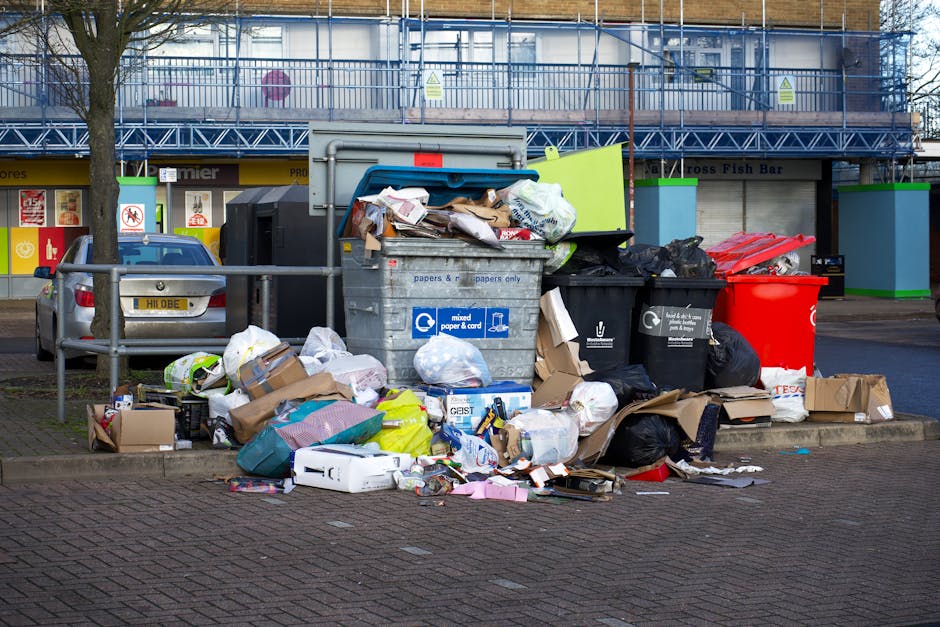
Carpet removal creates bulky waste fast. A few rooms can fill a van, and a full house can become a small mountain of underlay, gripper rods, offcuts, and that surprisingly heavy hallway runner you thought would be easy. In Merton, as in most parts of London, the practical question is not just "where does this go?" but "how do I move it legally, safely, and without creating avoidable delays?"
That is where skip permits and disposal rules matter. If a skip sits on a public road, pavement, or verge, permission may be required. If carpet waste is mixed with general rubbish, it may be rejected or cost more to process. If the job involves a landlord, builder, cleaner, or tenant handover, the risk of getting the disposal wrong goes up quickly. A simple carpet job can become an awkward headache. Nobody needs that on a Tuesday morning.
There is also a sustainability angle. Carpet is not just one material; it can contain synthetic fibres, latex backing, foam underlay, adhesive residue, and dust that has built up for years. Handling it thoughtfully can reduce contamination and make recycling or disposal more efficient. If you are already thinking about waste reduction across a property, it is worth looking at the company's recycling and sustainability approach too. It gives a sense of the standards behind responsible disposal, not just the result you see on the day.
The short version: skip permits are about where the skip sits; carpet disposal rules are about what goes into it and how cleanly the waste stream is managed.
How SM4 skip permits & carpet disposal rules in Merton Works
Let's split this into two parts, because they are related but not the same thing.
1) Skip permits
If a skip is placed entirely on private land, a permit may not be needed. A driveway is the classic example, though access, surface protection, and vehicle width still matter. If the skip goes on a public highway, permission from the relevant local authority is usually needed. In practice, this means planning the placement before the delivery arrives, not afterwards when the lorry is already at the kerb and everyone is standing around looking at each other.
Road placement also comes with practical conditions. You may need lights, cones, reflective markings, or limits on how long the skip can stay in place. The exact permission process and local requirements can vary, so it is always wise to confirm the current rules before booking. Do not assume the same setup that worked elsewhere in London will automatically work in SM4.
2) Carpet disposal rules
Carpet disposal is usually governed by standard waste-handling expectations: keep waste safe, separate if required, avoid contamination, and use an appropriate disposal route. Carpet should be kept dry, rolled where possible, and removed in a way that does not spread dust, mould, or pests through the property. If the carpet has heavy adhesive, damp backing, or signs of infestation, the disposal method may need extra care.
For domestic jobs, carpet often goes with bulky waste, mixed construction waste, or a dedicated load depending on the contractor or facility. For commercial spaces, the volume and material mix are more likely to matter, especially where underlay, staples, or floor preparation debris are included. Offices and shops are often messy in a very specific way. Little bits everywhere, somehow.
How the two fit together
A permit concerns the placement of the skip; the disposal rule concerns the waste itself. You can have one without the other, but in a real project they usually overlap. If you are removing carpet from a terraced house in SM4 with no driveway, the skip may need a permit. If you are clearing a living room and bedroom at the same time, the carpet load may need separating from plaster, wood, or general household rubbish to keep disposal sensible and compliant.
Key Benefits and Practical Advantages
Getting this right has some obvious benefits, and a few less obvious ones too.
- Fewer delays: A properly planned skip placement avoids last-minute rescheduling and missed collections.
- Lower risk of rejection: Keeping carpet waste clean and grouped sensibly reduces the chance of disposal issues.
- Safer handling: Rolled carpet, taped edges, and controlled loading reduce trip hazards and sharp debris.
- Better cost control: The right waste route can prevent unnecessary extra charges caused by contamination or poor segregation.
- Cleaner handover: If you are ending a tenancy or preparing a property for sale, a neat disposal process makes the whole job feel calmer and more professional.
There is also a time-saving benefit that people often overlook. If a carpet is being removed as part of a wider refresh, you may decide that some surfaces simply need cleaning rather than replacement. That is especially true for rugs, sofas, curtains, and mattresses that have picked up dust or odour but are otherwise structurally fine. In those cases, services like steam carpet cleaning, sofa cleaning, or mattress cleaning can sometimes reduce the amount you need to throw away in the first place.
Who This Is For and When It Makes Sense
This topic matters to more people than you might think. It is not just for builders and large-scale refurb teams.
Homeowners
If you are replacing bedroom carpet, lifting old hallway flooring, or clearing out a lived-in family house, the skip question appears quickly. Domestic projects often underestimate how much space carpet waste takes up once it is cut and rolled.
Landlords and letting agents
End-of-tenancy works can be awkward because speed matters. You may need carpets removed between tenancies, and a permit can become relevant if access is tight or the property has no suitable driveway. You also have to be careful not to leave waste piling up on shared access routes.
Tradespeople and refurb teams
Flooring contractors, decorators, and general builders often deal with mixed waste streams. Carpet disposal becomes one part of a larger waste strategy, and the risk of mixing materials rises. This is where preparation saves time.
Commercial premises
In offices, retail units, and small hospitality spaces, carpet uplift may happen overnight or during a short closure. Here, planning matters even more because access, fire exits, loading bays, and building management rules can all affect where waste can sit.
When does it make sense to think about a skip rather than another option? Usually when the volume is more than a few light bags, when the carpet is bulky or damp, or when there are several rooms involved. If you only have a single room and a manageable amount of waste, a different route may be easier. Honestly, not every job needs a skip. Sometimes people book one out of habit.
Step-by-Step Guidance
If you want to avoid mistakes, a simple process works best. Here is the practical version.
- Measure the job properly. Count the rooms, note the carpet type, and look at whether underlay, gripper rods, and fixings are being removed too.
- Check access. Ask yourself whether a skip can sit on private land or whether it would need to go on the road. This is the fork in the road, literally.
- Confirm permit needs early. If the skip will be on a public highway, arrange permission before delivery.
- Separate the waste. Keep carpet, underlay, timber, general rubbish, and building debris apart where possible.
- Roll and secure carpet lengths. This makes loading easier and reduces loose fibres and dust.
- Protect floors and entry points. Old carpet often hides grit and staples. A bit of care here saves scratches and sore feet later.
- Load the skip correctly. Put heavier rolls lower down and avoid overfilling.
- Dispose of the smaller extras. Adhesive tubs, tack strips, and trim pieces may need separate handling.
A small but useful tip: if the carpet is being removed before a cleaning job, schedule the cleaning after the uplift dust has been dealt with, not before. It sounds obvious, but in the real world people occasionally clean first and then rip up the carpet. That is a bit like washing the car before driving through a muddy field.
Expert Tips for Better Results
These are the details that tend to make the biggest difference.
- Keep waste dry. Wet carpet is heavier, messier, and much less pleasant to handle. Damp can also create odour and contamination concerns.
- Use contractor bags only where they help. Not every scrap needs a bag. Large rolled sections are often easier and safer.
- Separate specialist items. Foam underlay, glued carpet, and rubber-backed flooring may behave differently in disposal terms.
- Be realistic about weight. Carpet seems light until you move twenty square metres of it. Then it is suddenly everyone's problem.
- Plan around neighbours and access. In Merton, street parking and narrow frontages can make unloading awkward. A thoughtful delivery window helps.
- Keep receipts and notes. For landlords, agents, and business owners, a basic record of what was removed and how it was handled can save stress later.
If the property contains more than carpet, think in terms of the whole clean-up. For example, a lounge refit might involve the floor, the sofa, curtains that smell stale, and a rug that has seen better days. A coordinated approach may save both time and waste. Sometimes that means disposal. Sometimes it means restoration through services such as curtain cleaning or pet stain odour removal instead of throwing everything out. That judgement call matters.
Common Mistakes to Avoid
A lot of problems come from assumptions. Here are the most common ones.
- Assuming a skip never needs permission. If it goes on the highway, that assumption can cost time and money.
- Overfilling the skip. Carpet piled too high becomes a safety issue and may not be collected.
- Mixing waste streams carelessly. Clean carpet waste is easier to manage than carpet mixed with plaster, paint, food waste, and general junk.
- Leaving strip hazards behind. Tack strips, staples, and gripper rods are easy to miss and nasty on bare feet.
- Forgetting moisture or odour. Old carpet with mould or pet contamination may need extra precautions.
- Booking too late. If a permit is needed, last-minute arranging can disrupt the whole project.
One of the less obvious mistakes is treating carpet as if it were always disposable rubbish and never something worth assessing. A stained carpet is not always beyond saving. In some rooms, especially where wear is localised, a professional clean can extend the life of the flooring by years. If you are unsure, comparing disposal against restoration is worth doing before the skip arrives.
Tools, Resources and Recommendations
You do not need a huge toolkit, but a few basics make the job much smoother.
- Utility knife or carpet cutter: for controlled removal and smaller sections.
- Heavy-duty gloves: useful for staples, gripper rods, and dusty underlay.
- Dust sheets and floor protection: helpful when carrying rolls through finished areas.
- Tape or straps: for securing rolled carpet before moving it.
- Measuring tape: to estimate disposal volume more accurately.
- Bin liners or rubble sacks: for fixings, dust, and small debris.
On the information side, useful pages on the site include pricing and quotes, which can help you compare options before committing to a waste plan, and terms and conditions, which are worth checking if you are booking any professional service alongside disposal or cleaning. If the job is in a shared building or business premises, the health and safety policy and insurance and safety information can also be reassuring. Not flashy, but useful.
Law, Compliance, Standards, or Best Practice
When people ask about skip permits and carpet disposal, they usually want to know what is legally required and what is simply best practice. The answer is a mix of both.
Skip permits are generally about highway use. If a skip occupies public space, permission is typically needed, and the placement may be subject to conditions. Carpet disposal, meanwhile, sits under wider waste-management expectations: do not cause nuisance, do not create unsafe obstruction, and ensure waste is handled by an appropriate route. Where waste includes contaminated material, damp underlay, or mixed construction waste, the duty of care becomes even more relevant in practical terms.
Best practice in Merton is straightforward: check access early, keep waste streams clean, secure the area, and avoid obstructing pedestrians, driveways, or emergency access. If you are working in a block, terrace, or commercial unit, be mindful of neighbours and building rules as well. The nice thing about doing it properly is that it tends to feel boring. And boring, in compliance terms, is usually excellent.
If sustainability is part of your decision, think beyond simply "dump it in a skip." Responsible waste reduction may include reusing what can still serve, cleaning what is salvageable, and choosing a disposal route that keeps contamination low. That is especially sensible in a busy London postcode where every square metre and every collection slot matters.
Options, Methods, or Comparison Table
There is more than one way to deal with carpet waste. The right choice depends on quantity, access, condition, and timing.
| Option | Best for | Pros | Limitations |
|---|---|---|---|
| Skip with permit | Larger uplifts, limited driveway space, multi-room jobs | Convenient for bulk waste, keeps the site tidy | May need permission, space, and proper loading discipline |
| Skip on private land | Homes or sites with a suitable driveway or yard | Often simpler than road placement, fewer access complications | Still needs room and safe access for the lorry |
| Bulky waste collection | Smaller domestic removals | Less on-site clutter, no need to manage a full skip | May be less flexible on timing or waste volume |
| Reuse or deep clean | Carpets or soft furnishings that are dirty but not ruined | Can avoid unnecessary disposal, often cost-effective | Not suitable for badly damaged, infested, or structurally failing items |
If the goal is to save money and reduce waste, the last option is sometimes overlooked. A carpet that looks tired might simply need a proper clean rather than replacement. In those cases, a specialist approach like stain removal can make more sense than ripping it out. Not always, of course. But often enough to be worth a look.
Case Study or Real-World Example
Here is a realistic example from a typical SM4 property scenario.
A couple moving out of a two-bedroom flat decided to replace the living room and bedroom carpet before handing back the keys. The flat had no driveway, only street access, and the lift was too small for bulky loads. Their first thought was to book a skip immediately. Sensible enough. But once they mapped out the access and checked what actually needed removing, they realised the job included carpet, underlay, and a few bags of old household bits that had crept into the rooms over time.
The better plan was to separate the carpet from unrelated waste, arrange the correct road placement in advance, and clear the rooms in stages. The hallway runner was rolled and tied, the underlay was kept apart, and the small scrap load was grouped neatly. That made loading simpler and reduced the chance of rejection. At the same time, the curtains in the bedroom were not thrown out at all; they were cleaned instead because they were fine structurally, just dusty and a bit stale from being closed for months.
The result was less waste, less stress, and a much cleaner final handover. The couple also avoided that horrible last-day scramble where one thing is left on the pavement and suddenly everyone is asking whose it is. You know the feeling.
Practical Checklist
Use this checklist before you book a skip or arrange carpet disposal in Merton.
- Confirm how much carpet and underlay needs removing.
- Check whether the skip can go on private land.
- Arrange a permit early if the skip must go on the road.
- Separate carpet waste from general rubbish where possible.
- Roll and secure long sections of carpet.
- Remove nails, staples, and gripper rods carefully.
- Keep everything dry and protected from rain.
- Consider whether any items are better cleaned rather than thrown away.
- Make sure the access route stays safe for neighbours and pedestrians.
- Double-check collection timing so waste is not left out longer than needed.
A quick mental check helps too: if the job feels more complicated than a single room, it probably is. That is not a problem. It just means the plan should be a bit more deliberate.
Get a free quote today and see how much you can save.
Conclusion
SM4 skip permits and carpet disposal rules in Merton are not difficult once you separate the moving parts. Permits are about where the skip sits. Disposal rules are about how the carpet waste is handled. Get those two right and the rest becomes much easier: cleaner access, fewer delays, less risk, and a tidier finish overall.
The smartest approach is usually the one that matches the real job, not the assumed job. A single bedroom may need a simple bulky waste route. A full-house uplift may need a skip and proper planning. A stained but otherwise sound carpet may be better cleaned than replaced. There is no prize for overcomplicating it.
If you are in doubt, slow down for ten minutes, measure properly, and choose the least messy solution that still keeps you compliant. That small pause saves a lot of hassle later, and in fairness, that is what good local planning is supposed to do.
When the dust settles, the best result is not just a clear floor. It is the relief of knowing the job was handled properly, without drama.
Frequently Asked Questions
Do I need a skip permit for carpet disposal in SM4?
You may need one if the skip is placed on a public road or other highway space. If it sits fully on private land, a permit may not be required. The exact setup depends on access, so it is worth checking before delivery.
Can I put old carpet straight into a skip?
Usually yes, but it is best to keep it rolled, dry, and separated from unrelated waste where possible. If the carpet is damp, contaminated, or mixed with other debris, the load may need more careful handling.
What about carpet underlay and gripper rods?
Underlay and fixings are commonly removed with the carpet, but they can affect weight, cleanliness, and disposal planning. Gripper rods and staples should be handled carefully because they are sharp and easy to miss.
Is carpet classed as general waste?
In many cases it is treated as bulky waste or mixed waste from a home improvement job rather than ordinary household rubbish. The right route depends on the amount, condition, and what else is mixed in with it.
Can wet or mouldy carpet go in a skip?
It may be possible, but wet or mouldy carpet is more awkward to manage and can create odour or contamination issues. It is better to assess the material carefully and avoid leaving it exposed.
How do I know whether to clean or replace a carpet?
If the carpet is structurally sound but dirty, stained, or odorous, cleaning may be the smarter option. If it is badly damaged, lifted, or contaminated beyond practical recovery, replacement makes more sense.
What is the biggest mistake people make with skip permits?
Assuming a permit is not needed until the skip is already delivered. That can cause delay, especially in tighter streets or where road placement needs advance permission.
How can I reduce carpet waste overall?
Start by separating items that can be cleaned, reused, or repaired. A proper assessment before removal often reveals a few things that do not need to go into the skip at all.
What if I only have one room of carpet to remove?
For a small job, a skip may be more than you need. A smaller waste route, or even a decision to clean instead of replace, may be more practical.
Are there special rules for commercial carpet disposal in Merton?
Commercial jobs often involve larger volumes, tighter access windows, and more building rules. The core principles are similar, but the planning usually needs to be more detailed.
Can carpet disposal affect my moving day or tenancy handover?
Absolutely. Waste left uncleared can delay handover, inconvenience neighbours, and create a poor impression. A simple disposal plan can save a lot of tension at the end of a tenancy.
Where should I start if I want the least stressful option?
Start by checking access, measuring the waste, and deciding whether the carpet is actually ready for disposal or just in need of a proper clean. That one decision often shapes everything else.