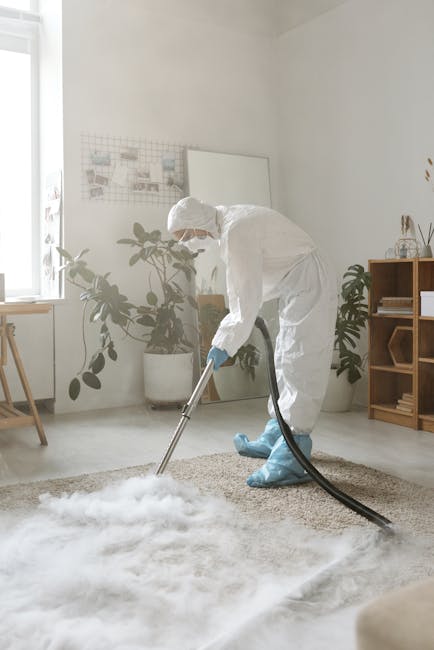
Steam vs dry carpet cleaning in Merton - cost comparison
If you are weighing up steam vs dry carpet cleaning in Merton, the price is only part of the story. The better question is: which method gives you the clean you actually need, with the least disruption and the best value for your home or business? In real life, that depends on the carpet fibre, the type of dirt, how quickly you need the room back, and whether you are dealing with a routine refresh or a stubborn problem like pet odour or a spill that has sat a little too long.
This guide breaks down the Steam vs dry carpet cleaning in Merton - cost comparison in plain English. You will see how each method works, what affects pricing, where each one makes sense, and how to avoid paying for the wrong type of clean. It is written for anyone in Merton who wants a sensible decision, not a sales pitch. Let's face it, nobody wants to spend money twice.
For broader service information, you can also explore our carpet cleaning service or read more about steam carpet cleaning if you already suspect hot water extraction is the better fit.
Table of Contents
- Why the steam vs dry carpet cleaning cost comparison matters
- How each carpet cleaning method works
- Key benefits and practical advantages
- Who this is for and when it makes sense
- Step-by-step guidance
- Expert tips for better results
- Common mistakes to avoid
- Tools, resources and recommendations
- Law, compliance, standards, or best practice
- Options, methods, or comparison table
- Case study or real-world example
- Practical checklist
- Conclusion
- Frequently asked questions
Why Steam vs dry carpet cleaning in Merton - cost comparison Matters
Carpet cleaning is one of those jobs that seems simple until you are staring at two quotes and trying to work out why one looks cheaper but may not actually be better value. In Merton, that decision often comes down to steam cleaning versus dry carpet cleaning. Both can freshen carpets, lift soil, and improve appearance, but they do it differently and the overall cost picture is not identical.
Steam cleaning, more accurately called hot water extraction, uses heated water and cleaning solution that are injected into the carpet and then extracted. Dry carpet cleaning uses low-moisture compounds, powders, or specialised solvents, with very limited drying time afterwards. The method changes the labour involved, equipment used, drying time, and sometimes the depth of clean. So yes, price matters, but the "cheaper" option can turn out to be more expensive if it does not solve the problem properly.
For a flat in Colliers Wood, a family house near Wimbledon Chase, or a busy rented property in central Merton, the right choice can affect how long rooms are out of use, how soon furniture can be put back, and whether the carpet stays cleaner for longer. That is the real-world stuff people care about.
There is also a practical local angle. In smaller London homes, drying space can be limited. In a ground-floor maisonette, for example, a full wet clean may be fine if you can air the rooms well. But if you are running a small office or preparing a property for handover, dry cleaning may be worth the higher per-room price because it reduces downtime. Not glamorous, but very real.
Key point: cost comparison is not just about the invoice total. It is about how much cleaning you get, how quickly the carpet is ready, and whether the method suits the fibre and the level of soiling.
How Steam vs dry carpet cleaning in Merton - cost comparison Works
To compare costs properly, it helps to understand what happens during each method. Otherwise you end up comparing apples with pears, and nobody enjoys that sort of surprise.
Steam cleaning in simple terms
Steam cleaning is usually the best-known method, although it is not technically steam in the sense of visible vapour doing the work. The machine applies hot water mixed with a cleaning solution under pressure, agitates the carpet fibres, and then extracts most of the moisture along with dirt, allergens, and residue. It is widely used for deeper domestic cleans and for carpets with visible soil build-up.
The cost tends to reflect:
- the amount of soil and pre-treatment required
- how many rooms or square metres need cleaning
- the type of carpet fibre
- drying time and access constraints
- whether stain removal or deodorising is needed
Dry carpet cleaning in simple terms
Dry carpet cleaning uses much less water. Different systems exist, but the basic idea is the same: a cleaning agent is applied, worked into the fibres, allowed to absorb dirt, and then vacuumed or removed. The carpet dries much faster, often with far less disruption. That quick turnaround is the main reason people choose it.
Price-wise, dry cleaning may be affected by:
- the specialised materials or compounds used
- the extra manual attention needed on certain stains
- the need for repeat vacuuming or grooming
- the level of care required for delicate fibres
In practice, a quote for dry cleaning can be similar to or slightly higher than steam cleaning for the same area, especially if the provider is using premium materials or if the job is complex. It is a common misconception that dry always means cheaper. Sometimes it is. Sometimes it is not. Truth be told, the real difference is often in convenience rather than raw price.
Why the cleaning method affects value
A low price for the wrong method can lead to a second clean, lingering odours, or visible soil still sitting in the pile. On the other hand, paying for a deep wet clean when your carpet only needs light maintenance might be overkill. The smarter comparison is this:
- Steam cleaning often gives deeper soil removal and is useful for heavily used carpets.
- Dry cleaning often wins on speed, convenience, and minimal downtime.
- The best value depends on carpet type, usage, and your time constraints.
Key Benefits and Practical Advantages
Both methods have a place. The trick is understanding what each does well, rather than expecting one process to solve every problem. That is where a lot of people go wrong.
Benefits of steam carpet cleaning
- Deep soil removal: better for ingrained dirt, foot traffic, and older carpets that need a proper refresh.
- Excellent for families and pets: can help with spills, tracked-in grime, and odour-prone areas when used correctly.
- More familiar process: many homeowners know what to expect, which makes it easier to judge value.
- Often better for a full reset: useful if the carpet has not been professionally cleaned in a long time.
Benefits of dry carpet cleaning
- Very fast drying: useful when rooms need to be back in service the same day.
- Lower disruption: ideal for offices, rental properties, or busy households.
- Good for some delicate fibres: depending on the carpet and system used, low moisture can be a safer option.
- Convenient in tight schedules: if you are juggling school runs, work calls, and delivery slots, this matters more than it sounds.
Practical advantage in Merton homes and businesses
Local properties often mix modern builds, older homes, and converted spaces. That means carpet conditions vary a lot. A downstairs hallway in a busy family home may need a stronger deep clean than a bedroom that only collects light dust. A letting agent may also want fast drying for a changeover. Different spaces, different priorities. Obvious, yes, but easy to forget when the quote arrives.
If your focus is a broader property refresh, it may also help to look at upholstery cleaning or rug cleaning so the result feels consistent across the room.
Who This Is For and When It Makes Sense
This comparison is useful for more than just homeowners. Different people in Merton need different outcomes, and the right carpet cleaning method depends on that end goal.
Homeowners
If you want to freshen a living room, hallway, or staircase, steam cleaning is often the better value for money when the carpet is visibly dirty or has absorbed years of household traffic. Dry cleaning makes sense when you need the room usable quickly, such as before guests arrive or after a last-minute family event.
Tenants and landlords
For end-of-tenancy situations, speed and appearance both matter. Dry cleaning can be attractive because it reduces drying delays, but steam cleaning may be the better choice if the carpet needs a more thorough reset before inspection. If you are a landlord, there is also a broader practical point: cleaning should be suitable for the carpet condition, not just the fastest option. That keeps disputes down and makes handover smoother.
Offices and small businesses
Commercial settings often prefer lower downtime. A reception area, meeting room, or small office suite can usually not afford a long closure. For that reason, dry cleaning or carefully scheduled steam cleaning outside business hours may be the better commercial answer. You are paying not only for the clean, but for the least disruption to staff and clients.
Households with pets or allergy concerns
Pet hair, muddy paws, and occasional accidents usually push people toward steam cleaning because the deeper extraction can help remove residues more effectively. That said, if the carpet is sensitive or the room must be dry quickly, a dry system may still be the sensible compromise. It really depends on the stain and the fibre.
Step-by-Step Guidance
If you want to choose well, do not start with the quote. Start with the carpet. Here is the practical route we recommend.
- Identify the carpet type. Wool, synthetic, and blended carpets can respond differently. If you are unsure, check the installation paperwork or ask the cleaner to assess it.
- Assess the level of soiling. A lightly dusty bedroom is not the same as a hallway full of muddy footprints.
- Think about drying time. Can the room be unused for several hours, or do you need it back quickly?
- List problem areas. Stains, pet odour, traffic lanes, and edge dirt should all be mentioned before booking.
- Request a proper quote. Ask what is included: pre-treatment, stain work, deodorising, moving light furniture, and VAT if applicable.
- Compare method against outcome. Do not compare price alone. Compare cleaning depth, turnaround time, and aftercare.
- Confirm aftercare advice. Good providers will explain ventilation, furniture placement, and when to walk on the carpet.
That little process sounds basic, but it saves money. Plenty of households pay for a method that does not really fit the job, and then they are back to square one a month later. Nobody needs that headache.
Expert Tips for Better Results
Here are a few practical things that make a surprising difference, especially when comparing steam and dry carpet cleaning in Merton.
- Ask for a fibre-safe recommendation. A good cleaner should not force one method on every carpet.
- Check the drying plan. Open windows, heating settings, and air movement all affect how quickly carpets recover after steam cleaning.
- Be honest about stains. Coffee, wine, grease, pet accidents, and old spill marks all behave differently. If you hide the issue, the result may disappoint.
- Vacuum well before the appointment. It helps both methods work better, especially on grit-heavy areas near entrances.
- Keep expectations realistic. A cleaner can improve appearance massively, but some faded stains or wear patterns will not vanish completely.
- Use the method to match the room. Bedrooms and lightly used rooms may not need the same treatment as hallways or stairs.
One small but useful tip: if you have just had decorating done, ask whether dust, paint spots, or adhesive residue need special attention. Paint splatter in a pile can be a nuisance. The sort of nuisance that sits there staring back at you.
Common Mistakes to Avoid
People usually make one of four mistakes when comparing steam and dry carpet cleaning.
Choosing only on price
The cheapest quote can be the most expensive decision if the result is weak or the carpet dries badly. Price should be judged alongside method, room use, and carpet condition.
Ignoring drying time
Steam cleaning often needs more drying time. If you book it on a rainy day with no ventilation and a packed schedule, that can be awkward. Dry cleaning avoids much of this, but the trade-off may be less deep cleaning in heavy soil conditions.
Assuming all carpets suit the same method
Some fibres and backings are more sensitive than others. Wool, for example, can be perfectly suitable for professional wet cleaning when handled correctly, but the process still needs care. One size does not fit all.
Not asking what the quote includes
A cheap headline price might exclude stain treatment, furniture moving, or even the stair charge. Then the final bill creeps up. Not ideal.
Watch out for:
- vague pricing with no room-by-room detail
- no mention of drying expectations
- no clear explanation of stain treatment
- promises that sound too broad or too good
Tools, Resources and Recommendations
If you are making a decision, a few simple tools and checks can help you choose better without getting lost in jargon.
Useful things to have ready before requesting a quote
- Approximate room sizes or number of rooms
- Photos of high-traffic areas and visible stains
- Details of pets, spills, or recent water exposure
- Information on carpet material, if known
- Your preferred cleaning window and how soon the room must be ready
Service pages that may help you compare options
If you are looking beyond the headline comparison, it helps to review related services. For example, pricing and quotes gives a better sense of how estimates are structured, while pet stain and odour removal is relevant if the carpet needs more than a routine clean. If water damage is part of the story, urgent water-damaged carpet drying advice may be the more useful starting point.
A simple recommendation framework
- Choose steam cleaning if you want deeper soil extraction and the room can be out of use for longer.
- Choose dry cleaning if speed, convenience, and minimal disruption matter more than maximum moisture-based extraction.
- Ask for a tailored recommendation if the carpet is delicate, heavily stained, or used by pets and children every day.
Law, Compliance, Standards, or Best Practice
Carpet cleaning is not usually a heavily regulated service in the way some specialist trades are, but there are still sensible standards and responsibilities to keep in mind. A reputable provider should work safely, use cleaning agents appropriately, and communicate any risks such as slippery floors, residue, or ventilation needs.
In the UK, best practice generally means a few practical things: suitable training, safe handling of chemicals, clear customer communication, and proper public liability cover. If you are booking cleaning in a rented property or commercial setting, it is also wise to keep a clear record of what was cleaned and when, especially where handovers or disputes could arise later. That kind of paper trail can save a lot of back-and-forth.
For landlords and managers, chemical use should be sensible and in line with product guidance, particularly around ventilation and occupant safety. If sensitive residents, children, or pets are present, it is worth asking what products are being used and whether any low-odour or reduced-residue options are available. Not every situation needs the same approach.
Our own housekeeping pages, such as health and safety policy and insurance and safety, can help you understand the kind of standards a careful provider should be thinking about behind the scenes.
Options, Methods, or Comparison Table
Below is a straightforward comparison of steam and dry carpet cleaning in a Merton context. The exact price will vary by room size, carpet condition, access, and extras, but this table captures the practical difference.
| Factor | Steam carpet cleaning | Dry carpet cleaning |
|---|---|---|
| Typical use | Deep clean, heavier soil, family homes, traffic areas | Fast turnaround, low disruption, delicate schedules |
| Drying time | Longer, often several hours depending on conditions | Shorter, often much quicker |
| Cleaning depth | Usually stronger for embedded dirt and residue | Good for maintenance and lighter soiling |
| Disruption | Higher because rooms stay damp for longer | Lower because rooms return to use sooner |
| Cost profile | Often competitive for standard domestic jobs | Can be similar or higher depending on method and materials |
| Best suited for | Homes needing a proper reset | Busy spaces, offices, and quick turnarounds |
Simple takeaway: if you need maximum cleaning power, steam often wins. If you need speed and convenience, dry cleaning can be worth paying for. That is the heart of the matter.
Case Study or Real-World Example
Here is a realistic example from the kind of jobs people commonly ask about in Merton.
A family in a semi-detached home near South Wimbledon had a hallway and lounge that looked dull, with visible traffic lanes and a few older marks from muddy shoes and a pet accident near the sofa. They had two priorities: the rooms needed to look much better, and the carpet had to be usable again before the weekend. At first they assumed dry cleaning would be cheaper and therefore better. But once they described the level of soil and the odour issue, the recommendation shifted toward steam cleaning with targeted pre-treatment.
Why? Because the carpet needed a deeper reset, not just a quick surface freshen-up. Dry cleaning would have reduced downtime, yes, but may not have tackled the embedded dirt and lingering smell as well. Steam cleaning took longer to dry, but the overall result matched the real need. That is the point people often miss. The lowest price is not always the best value if the carpet still feels tired afterwards.
In another scenario, a small office off a busy road in Merton wanted its meeting room cleaned after a busy winter season. The carpet was not heavily stained, but staff could not afford a long closure. Dry cleaning made much more sense there, because the room had to be back in use quickly. Different problem, different answer.
Practical Checklist
Use this checklist before you book anything. It keeps the decision clear and stops impulse choices.
- Have I identified the carpet fibre or material, at least roughly?
- Is the carpet lightly soiled, moderately dirty, or heavily affected by stains/odours?
- Can the room be left to dry for several hours?
- Do I need same-day use of the space?
- Are there pets, children, or allergy concerns to think about?
- Has the quote clearly stated what is included?
- Do I know whether stain treatment costs extra?
- Have I asked about drying guidance and aftercare?
- Do I need any related services, such as upholstery or rug cleaning?
- Am I choosing the method that fits the problem, not just the price tag?
If you can tick most of those boxes, you are already ahead of most people comparing quotes in a hurry.
Conclusion
In the end, the Steam vs dry carpet cleaning in Merton - cost comparison comes down to value, not just price. Steam cleaning is often the better choice when you want a deeper clean, stronger soil removal, or a proper reset for a tired carpet. Dry cleaning is often the smarter option when turnaround time matters and you need the room back quickly.
The best decision is the one that matches the carpet, the room, and your schedule. If you want a quick freshen-up, dry cleaning may be enough. If the carpet has been lived on for years, steam is usually worth the extra drying time. Either way, a clear quote, a proper assessment, and honest expectations make all the difference. No drama. Just the right clean for the job.
If you want to compare options in more detail, look through our guide to carpet cleaning prices in Merton and our advice on comparing real cleaning quotes before you decide. It is a small bit of homework that can save you a decent chunk of money.
Get a free quote today and see how much you can save.
Frequently Asked Questions
Is steam carpet cleaning more expensive than dry cleaning in Merton?
Not always. Steam cleaning can be very competitively priced for standard domestic rooms, while dry cleaning may cost more if specialised materials or quick turnaround are involved. The final price usually depends more on room size, carpet condition, and extras than on the method alone.
Which carpet cleaning method dries faster?
Dry carpet cleaning dries much faster because it uses very little moisture. Steam cleaning takes longer, sometimes several hours depending on airflow, heating, and carpet thickness. If you need the room back quickly, drying time is a major factor.
Which method cleans deeper?
Steam cleaning usually offers the deeper clean, especially for embedded dirt, traffic lanes, and general grime. That said, the cleaner still needs the right equipment and technique. A rushed steam clean is not much use, to be blunt.
Is dry carpet cleaning safe for wool carpets?
It can be, depending on the specific system and the condition of the carpet. Wool is sensitive enough that the cleaner should assess it carefully before choosing any method. The safest option is to ask for a fibre-appropriate recommendation rather than assuming one process fits all.
What affects carpet cleaning costs the most?
The biggest cost factors are usually carpet size, soil level, stain treatment, furniture moving, access, and drying requirements. A heavily used hallway with pet issues will cost more to treat than a light bedroom refresh. That is normal.
Should I choose steam cleaning if I have pets?
Often, yes, especially if there are pet accidents, odours, or a lot of tracked-in dirt. Steam cleaning tends to give a deeper clean. Still, the exact choice should depend on the carpet type and how urgently you need the room back.
Can dry cleaning remove bad smells?
It can improve mild odours, but stubborn smells often need targeted treatment. If the smell is from pet accidents, spill residue, or deeper contamination, ask whether additional odour treatment is needed. Sometimes the carpet needs more than one step.
How often should carpets be professionally cleaned?
That depends on foot traffic, pets, children, and whether the property is residential or commercial. Busy areas may need cleaning more often than spare rooms. A light-use bedroom and a busy hallway do not age at the same speed, obviously.
Will steam cleaning make my carpet too wet?
When done properly, it should not. Professional steam cleaning uses extraction equipment designed to remove most of the moisture. The carpet will still need drying time, but it should not be left soaking if the job is handled correctly.
Is dry carpet cleaning better for offices?
Often it is, because it limits downtime and lets staff use the room again sooner. However, if the office carpet is heavily soiled, steam cleaning outside working hours may be the better option. It depends on how much cleaning the carpet actually needs.
Do I need to move furniture before cleaning?
Not always. Many providers can work around light furniture or move small items, but you should confirm what is included. Large or fragile furniture may need special handling. Ask before the appointment so there are no awkward surprises on the day.
Can I compare carpet cleaning quotes fairly?
Yes, but only if you compare like for like. Check what each quote includes, whether stain treatment is extra, how long drying should take, and what method is being used. That is the only fair way to compare steam and dry cleaning properly.
What is the best option if I need a room cleaned urgently?
Dry carpet cleaning is often the best urgent option because it dries quickly and causes less disruption. If the carpet is badly stained or has odour issues, though, steam cleaning with faster ventilation may still be the better long-term answer.